Essential AC Repair Guide for Homeowners: Symptoms, Solutions, and Prevention
When summer heat hits, your home’s cooling system becomes the single most important appliance under your roof. Florida temperatures and high humidity test cooling systems daily, leaving little margin for sudden mechanical failures. Running an air conditioner continuously without routine care leads to inevitable wear and tear.
Understanding how your cooling system operates helps you spot minor issues before they cause full system breakdowns. Recognizing subtle early warning signs saves you money and spares you from enduring dangerous indoor temperatures. This guide covers how modern air conditioners work, common repair signs, effective troubleshooting steps, and methods to prevent unexpected breakdowns.
1. How Modern Air Conditioning Systems Work
An air conditioner does not create cold air; it extracts heat and moisture from your home and transfers it outside. This process relies on a continuous refrigeration cycle powered by four main components: the compressor, the condenser coil, the expansion valve, and the evaporator coil.
[ Indoor Space ] [ Outdoor Space ]
+----------------------------+ +----------------------------+
| Evaporator Coil Absorbs | | Condenser Coil Releases |
| Heat into Cold Refrigerant | | Heat to the Outside Air |
+--------------+-------------+ +--------------+-------------+
| ^
Low-Pressure Gas High-Pressure Gas
| |
v |
+--------------+-------------+ +--------------+-------------+
| Expansion Valve Cools & | | Compressor Squeezes Gas to |
| Lowers Refrigerant Pressure| <----- | Raise Temperature & Pressure|
+----------------------------+ +----------------------------+
The Refrigerant Cycle Explained
The cycle starts at the compressor, located in the outdoor unit. The compressor squeezes low-pressure refrigerant gas into a high-pressure, high-temperature gas. This hot gas flows through the outdoor condenser coil. A fan blows outside air across the coil, drawing heat away and converting the refrigerant into a warm, high-pressure liquid.
Next, the liquid refrigerant travels indoors to the expansion valve. This valve restricts liquid flow, causing a sudden drop in pressure. That drop rapidly lowers the refrigerant's temperature, turning it into a cold liquid mist.
This cold refrigerant then enters the indoor evaporator coil. The indoor blower fan pushes warm air from your living space across these icy coils. The refrigerant absorbs thermal energy from the indoor air while moisture in the air condenses onto the coil surface, lowering indoor humidity. Finally, the warmed refrigerant travels back out to the compressor as a low-pressure gas, and the cycle repeats.
2. Top Signs Your Home Needs Immediate Repair
Air conditioners usually give clear warning signs before failing completely. Recognizing these indicators early allows you to address mechanical stress before it leads to severe damage or costly component replacements.
Weak Airflow from Vents
If you notice minimal air coming through your supply vents, your system is struggling to circulate conditioned air. Poor airflow often stems from a clogged air filter, ductwork leaks, or a failing blower motor. Restricted airflow prevents your system from maintaining your set temperature and puts extra strain on electrical components.
Warm or Room-Temperature Air
Blowing warm air while set to cool signals a cycle interruption. This issue can result from low refrigerant levels due to a leak, a failed compressor, or an electrical issue in the outdoor unit. Running a system that blows warm air damages internal components and inflates your energy bills.
Unexpected Noises
Modern HVAC systems run quietly. Sharp, unusual noises indicate mechanical trouble:
- Grinding or Squealing: Worn motor bearings or a misaligned fan belt.
- Banging or Clanking: Loose or broken internal components, such as a damaged connecting rod or piston inside the compressor.
- Buzzing: Electrical problems, failing contactors, loose wiring, or a declining fan motor.
- Hissing or Bubbling: Refrigerant escaping through small pinhole leaks in copper lines or coils.
Foul or Musty Odors
Unpleasant smells coming from your registers indicate mold, mildew, or electrical issues. A musty odor ("dirty sock syndrome") usually means bacterial growth on a damp evaporator coil or inside stagnant drain pans. A burning, plastic-like smell indicates overheating electrical wiring, requiring immediate shutoff and professional inspection.
High Humidity Levels Indoors
A functional cooling unit extracts moisture as it cools. If indoor air feels humid, sticky, or muggy even with the AC running, your system has lost dehumidification capability. This usually happens when the cooling cycle short-cycles or when the evaporator coil fails to reach the proper temperature.
3. Basic Troubleshooting vs. When to Call a Professional
Before calling an HVAC technician, check a few basic maintenance items. Simple fixes can often resolve minor operating issues without professional service.
Quick DIY Checks
- Check the Thermostat: Confirm your thermostat is set to "Cool" and the target temperature sits at least 3 to 5 degrees below your current room temperature. Replace dead batteries if the display screen appears blank.
- Inspect the Air Filter: A clogged air filter chokes system airflow, often causing the indoor coil to freeze. Inspect your filter monthly and replace it if it looks coated in dust and debris.
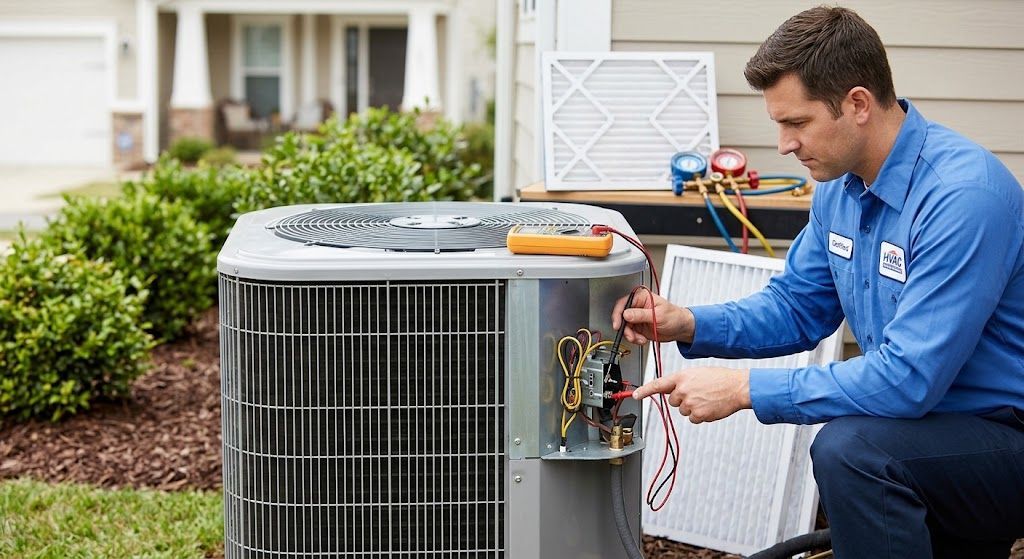
- Inspect the Electrical Panel: Check your main circuit breaker box. If the breaker controlling your indoor blower or outdoor compressor tripped, reset it once. If it trips a second time immediately, leave it off and call a certified technician to avoid causing an electrical fire.
- Clear Outdoor Clearances: Make sure your exterior condenser unit has at least 2 feet of clear space on all sides. Clear away tall weeds, leaves, grass clippings, and overhanging branches that block heat exhaust.
When Professional Help Is Required
If basic checks do not resolve the issue, contact an HVAC professional. High-voltage connections, volatile chemical refrigerants, and delicate electrical boards require expert tools and safety training. Servicing refrigerant leaks, replacing blown capacitors, restoring failed motors, or fixing sealed compressors without proper credentials voids manufacturer warranties and presents real safety hazards.
When your cooling system breaks down completely during peak summer heat, getting quick, expert assistance restores both your home's comfort and its indoor air quality. Professional technicians accurately identify root causes, keeping small electrical faults from turning into complete system failures. If your system stops blowing cold air, struggles with high humidity, or makes strange noises, book a prompt ac repair to restore efficient cooling performance.
4. The Benefits of Regular Preventive Maintenance
Waiting for your air conditioner to break down before scheduling service leads to higher costs, unexpected discomfort, and emergency repair fees. Regular preventive maintenance protects your investment, extends equipment lifespan, and keeps operating costs low.
Improved Energy Efficiency
Over time, dirt and dust accumulate on indoor evaporator coils, outdoor condenser fins, and blower components. This layer acts as insulation, forcing your system to work harder and run longer to cool your home. Routine service cleans critical surfaces, restoring original factory efficiency and lowering monthly energy expenses.
Longer Equipment Lifespan
Air conditioners represent a major financial investment. Well-maintained systems consistently last 12 to 15 years or longer, while neglected systems often fail within 7 to 10 years. Annual tune-ups catch minor wear, correct loose electrical connections, lubricate moving parts, and prevent cascade failure across connected components.
Better Indoor Air Quality
Your HVAC system continuously circulates the air inside your home. Without proper maintenance, dust, pollen, pet dander, mold spores, and bacterial contaminants build up inside the cabinet and duct system. Comprehensive tune-ups include deep cleaning of condensate pans, drain lines, and air handlers, helping keep your indoor air fresh, clean, and allergen-free.
Simple AC Maintenance Checklist
Keep your system operating smoothly year-round by following this simple maintenance schedule:
Monthly Tasks
- Inspect air filters and replace them as needed (every 30 to 60 days depending on pet ownership).
- Visually inspect the outdoor condenser to clear debris, leaves, and twigs.
- Verify that supply vents and return grilles remain unblocked by furniture or drapes.
Bi-Annual Tasks
- Flush the primary condensate drain line with a cup of warm water and vinegar to prevent algae clogs.
- Check exposed ductwork in attics or crawlspaces for visible air leaks or loose seals.
- Clean dirt, dust, and pet hair off indoor return vents.
Annual Professional Service
- Test motor amp draws and check electrical capacitors.
- Check refrigerant levels and test for subcooling or superheat balance.
- Clean condensate drain lines and evaporator coils.
- Inspect electrical wiring, relays, and contactor surfaces for pitting or wear.
- Calibrate thermostat sensors and test overall system safety controls.
Taking a proactive approach to cooling system care prevents unexpected mid-summer breakdowns, lowers monthly power bills, and maintains reliable indoor comfort for years to come.