How to Fix Central Air Conditioner Problems: Repair Guide
When summer heat sets in, a fully functioning cooling system transitions from a daily luxury to an absolute necessity. Mid-season cooling breakdowns bring immediate discomfort, indoor air quality concerns, and unexpected utility cost spikes. Learning how to diagnose cooling system performance, identify early failure warning signs, and determine when to call certified professionals will preserve indoor comfort, keep monthly energy costs predictable, and significantly extend equipment lifespan.
How Central Air Conditioning Systems Work
Central air cooling relies on a continuous thermodynamic cycle designed to extract heat energy from inside your living spaces and discharge it outdoors. The system relies on four primary components operating in precise harmony:
┌────────────────────────┐
│ Evaporator Coil │
│ (Absorbs Indoor Heat) │
└───────────┬────────────┘
│
▼
┌──────────────────┐ ┌──────────────────┐
│ Expansion Valve │ │ Compressor │
│ (Drops Pressure) │ │ (Pressurizes Gas)│
└──────────────────▲ └────────────┬─────┘
│ │
│ ┌──────────────────┐ │
└──────┤ Condenser Coil │◄───────┘
│(Releases Heat Out)│
└──────────────────┘
When warm air circulates across the indoor evaporator coil, low-pressure liquid refrigerant inside the coil absorbs latent heat energy, rapidly transforming into a warm vapor. This gaseous refrigerant travels through copper lines to the outdoor condenser unit, where the heavy-duty compressor pressurizes it, raising its temperature further. The outdoor fan pushes ambient air across the condenser coils to purge the trapped heat outside. Finally, the high-pressure refrigerant passes through an expansion valve, dropping its pressure and temperature before returning indoors to restart the cycle.
A mechanical break or efficiency degradation at any point in this loop compromises cooling output and places compounding physical stress on surrounding components.
How to Recognize Early Signs of Air Conditioner Failure
Cooling systems rarely fail without warning. Paying attention to subtle changes in performance allows homeowners to address minor issues before they cause total system failure or costly emergency replacements.
1. Weak Airflow and Temperature Imbalances
If airflow coming from your ceiling diffusers or floor vents feels weak, restricted, or noticeably warmer than your thermostat setting, several root causes may be at play. A clogged air filter is the most common culprit, but restricted airflow can also point to a failing blower motor, slipping fan belts, collapsed ductwork, or severely blocked return grilles.
2. Unfamiliar and Distracting Operational Noises
While every HVAC unit makes a gentle hum when cycling on, loud or sudden operational noises signal mechanical distress:
- Grinding or Metal Screeching: Indicates dry or damaged motor bearings in the blower unit or condenser fan.
- Squealing upon Startup: Frequently caused by a loose, misaligned, or degraded fan belt.
- Rapid Clicking or Chattering: Points to faulty electrical relays, failing contactors, or control board defects.
- Loud Hissing or Bubbling: Indicates a high-pressure refrigerant leak within the copper lines or coil assemblies.
3. Frequent Short-Cycling
A healthy air conditioning system completes steady cooling cycles lasting 15 to 20 minutes before powering down. If your unit turns on and off rapidly every few minutes without reaching your target temperature, it is experiencing short-cycling. This behavior is typically triggered by a malfunctioning thermostat, overheating compressor components, clogged coils, or an incorrectly sized cooling unit. Short-cycling wastes energy and accelerates mechanical wear on the compressor drive.
4. Mysterious Puddles and Water Accumulation
Water pooling around your indoor furnace or air handler is a clear indicator of drainage issues. As indoor coils extract moisture from humid air, condensation accumulates on the metal surfaces and drips into a drain pan. If the condensate drain line becomes clogged with algae, dust, or mold, water overflows the pan. Left unchecked, water leaks cause localized drywall rot, floor damage, and hazardous indoor mold growth.
5. Sudden Utility Bill Spikes
An unexpected jump in monthly electricity bills without an accompanying change in usage habits indicates system inefficiency. When internal components like capacitors degrade, coils become coated in dust, or refrigerant levels drop, the compressor must work twice as hard and run much longer to satisfy set temperatures.
How to Perform Routine Preventive Maintenance at Home
While technical mechanical maintenance requires certified HVAC tools and training, homeowners can execute several basic tasks to preserve system health and lower the frequency of repair calls:
- Change Air Filters Regularly: Check HVAC air filters monthly during high-use summer seasons. Replace standard pleated filters every 30 to 60 days to ensure unrestricted airflow across evaporator coils.
- Keep Outdoor Units Clear: Clear away fallen leaves, weeds, grass clippings, and debris within a two-foot radius of your outdoor condenser cabinet. Restricted external air intake prevents heat dissipation.
- Inspect the Condensate Line: Pour a cup of regular white vinegar down the indoor condensate drain access point every few months to dissolve algae buildup and prevent drain line clogs.
- Keep Vents Unblocked: Ensure indoor supply vents and main return grilles are clear of rugs, drapery, and large furniture pieces to maintain balanced static airflow pressure.
- Optimize Thermostat Settings: Install a programmable or smart thermostat to prevent unnecessary system strain while away from home.
How to Troubleshoot AC Problems Before Calling a Professional
Attempting DIY fixes on modern air conditioning equipment carries safety risks and can void manufacturer warranties. High-voltage electrical wiring, hazardous chemical refrigerants, and delicate digital control boards require professional expertise.
Before calling for professional service, perform these four preliminary troubleshooting steps:
- Verify that your thermostat has fresh batteries, is set strictly to "Cool," and is set at least 3 degrees below current room temperature.
- Inspect your main electrical breaker panel to confirm the circuit breaker dedicated to the indoor and outdoor AC units has not tripped.
- Check that the emergency inline switch near the indoor handler unit was not accidentally flipped off.
- Check that your central air filter is clean and properly seated in its housing slot.
If these steps do not solve the issue, call a licensed technician. Handling chemical refrigerants requires EPA Certification, while diagnosing electrical short circuits or replacing heavy-duty run capacitors requires specialized diagnostic tools.
How Timely AC Repairs Save Money Long-Term
Ignoring minor AC operational defects leads to cascading component damage. A neglected run capacitor can overheat fan motors, while an unresolved low-refrigerant state forces the compressor to run continuously until its internal coils burn out.
Investing in timely repairs and annual tune-ups delivers clear financial and lifestyle advantages:
- Lower Monthly Energy Costs: Clean coils, balanced refrigerant levels, and calibrated motors operate at peak seasonal energy efficiency (SEER2) ratings.
- Extended Equipment Service Life: Proactive component replacements help modern HVAC units achieve their full 12 to 15-year operational potential.
- Superior Indoor Air Quality: Professional cleaning of internal drain pans and coil assemblies removes stagnant moisture environments where bacteria and airborne allergens thrive.
- Consistent Home Comfort: Balanced airflow and functioning metering devices eliminate hot spots and keep humidity under control throughout your living spaces.
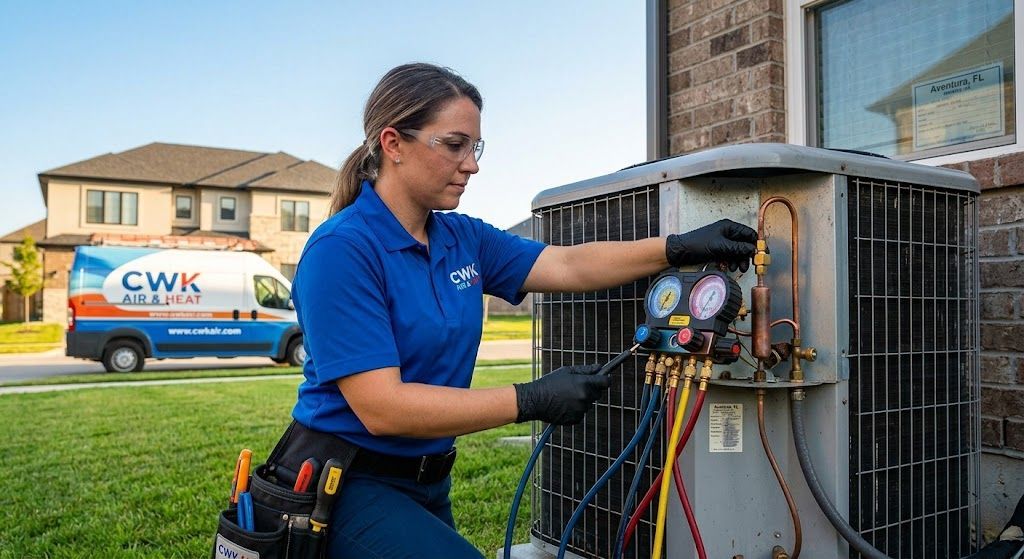
Maintaining a cool, stress-free indoor environment requires staying attentive to performance changes and relying on experienced local specialists. For homeowners seeking reliable, transparent, and prompt local support, turning to trusted local technicians for air conditioning repair ensures your cooling system runs safely, efficiently, and quietly all year long.
Frequently Asked Questions About AC Repair
How long does a central air conditioning unit typically last?
With consistent annual preventive maintenance, a residential central air conditioner lasts between 12 and 15 years. Environmental factors like sea salt air, continuous high-humidity operation, and neglected air filters can shorten operational lifespans.
How do I fix an AC unit blowing warm air?
Warm airflow usually stems from a clogged air filter, a tripped outdoor circuit breaker preventing the compressor from engaging, a severe refrigerant leak, or a broken thermostat sensor calibrated incorrectly. First check your filter and breaker panel before calling an HVAC professional.
How often should I schedule professional AC maintenance?
HVAC manufacturers recommend professional system maintenance twice a year—once in early spring for your air conditioning system, and once in autumn for your home heating system.