Complete Guide to HVAC Repair: Signs, Solutions, and Prevention
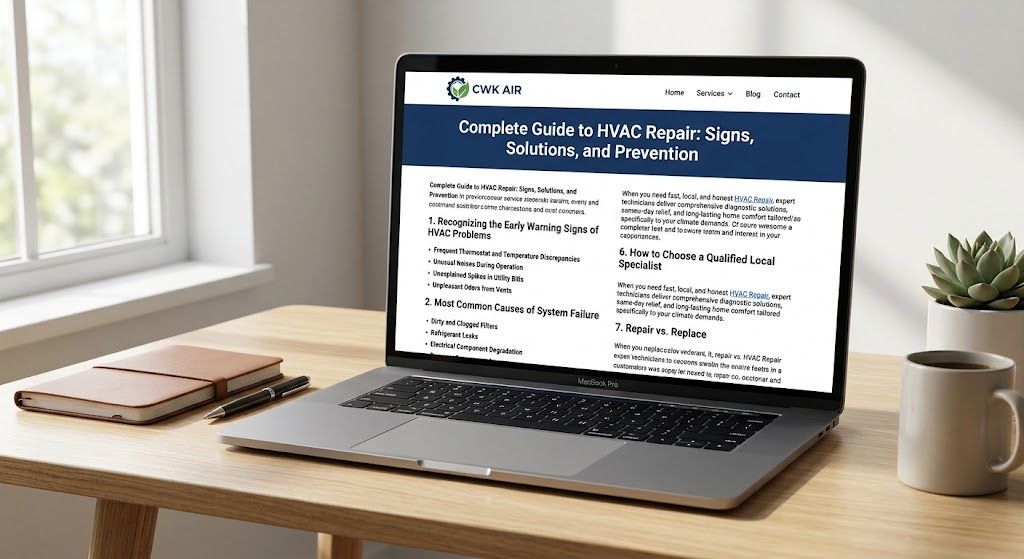
Maintaining a comfortable, healthy indoor environment requires a reliable, smooth-operating heating and cooling system. When your system breaks down or loses efficiency, it immediately compromises your home's comfort, indoor air quality, and monthly energy bills. Understanding the fundamentals of HVAC Repair, recognizing early warning signs, and knowing when to call a certified professional can save thousands of dollars in unexpected replacement costs while extending the operational lifespan of your equipment.
This comprehensive guide breaks down the essential aspects of maintaining your home’s heating, ventilation, and air conditioning equipment, helping you make informed decisions about repairs, troubleshooting, and long-term care.
1. Recognizing the Early Warning Signs of HVAC Problems
Most major heating and cooling failures do not occur without warning. Modern systems give subtle signals that internal components are wearing down, electrical connections are failing, or airflow is becoming restricted. Identifying these early warning signs allows you to address issues before they cause total system failure.
Frequent Thermostat and Temperature Discrepancies
If your living room feels hot while your bedrooms remain chilly, or if the actual room temperature continuously strays from your thermostat's target setpoint, your system is signaling a malfunction. This discrepancy often points to failing thermostat sensors, leaky ductwork, erratic blower motor speeds, or short-cycling caused by oversized or underperforming units.
Unusual Noises During Operation
While all climate control units emit a gentle hum during active cooling or heating cycles, loud or persistent noises indicate mechanical distress:
- Grinding or Screeching: Indicates worn motor bearings or a slipping belt in the air handler.
- Banging or Clanking: Points to loose or broken internal components, such as a connecting rod, piston, or blower wheel.
- Clicking at Startup: Suggests an electrical relay issue, a failing capacitor, or a faulty control board.
- Hissing or Whistling: Signals a refrigerant line leak or significant air leakage within your ductwork network.
Unexplained Spikes in Utility Bills
A sudden, sharp increase in monthly energy bills without a corresponding shift in outdoor temperatures is a classic symptom of an inefficient unit. When components like the compressor coil, fan motor, or electrical capacitors degrade, the unit must draw significantly more electricity and run longer cycles to achieve basic cooling or heating demands.
Unpleasant Odors from Vents
Air vents should emit clean, odorless air. Burning smells often indicate electrical wire overheating or excessive dust buildup on furnace heating elements. Musty, damp odors point to moisture accumulation within the evaporator coils, drain pan, or ductwork—creating an ideal environment for biological growth that damages indoor air quality.
2. Most Common Causes of System Failure
Understanding why system failures occur helps homeowners implement better preventive measures. HVAC units are complex mechanical systems combining high-voltage electrical circuits, chemical refrigeration cycles, and high-volume airflow mechanics.
Dirty and Clogged Filters
A neglected air filter remains the single primary cause of avoidable mechanical breakdowns. When dust, pet dander, and debris clog the filter media, airflow drops drastically. This restriction forces the blower fan to work twice as hard, causes evaporator coils to freeze into solid blocks of ice, and can lead to compressor burnout.
Refrigerant Leaks
Refrigerant is the lifeblood of any heat pump or air conditioning unit. Contrary to popular belief, systems do not "use up" refrigerant over time. If levels are low, there is a leak somewhere in the copper lines, service valves, or coils. Running a unit low on refrigerant prevents proper cooling, severely strains the compressor, and dramatically escalates power usage.
Electrical Component Degradation
HVAC units cycle on and off thousands of times each year. This frequent operation causes electrical components like contactors, relays, and capacitors to experience thermal wear. Capacitors store electrical energy to help power up motors; when they fail, motors overheat, hum, and eventually burn out completely.
Clogged Condensate Drain Lines
As your air conditioner extracts moisture from indoor air, condensation accumulates in a drain pan and flows out through a PVC drain line. Over time, algae, dirt, and debris clog this line. Without a working safety switch, backed-up condensation overflows into your home, causing water damage to ceilings, floors, and surrounding electrical equipment.
3. Essential Troubleshooting Steps for Homeowners
Before scheduling a service technician, there are several preliminary troubleshooting steps you can safely perform to rule out simple operational glitches:
- Verify Thermostat Settings: Ensure the thermostat is set to the correct mode ("Cool" or "Heat"), set point temperatures are correctly configured, and batteries are fully charged.
- Inspect the Breaker Panel: Check your home's main circuit panel to ensure the breaker dedicated to your indoor air handler and outdoor condenser unit hasn't tripped to the "Off" position.
- Examine the Air Filter: Check your primary air filter. If the surface is completely covered in grey dust or debris, replace it immediately with a fresh, correctly sized filter.
- Inspect Air Vents and Registers: Confirm that return grilles and supply vents throughout your home are fully open and unobstructed by furniture, rugs, or drapes.
- Clear Outdoor Unit Surroundings: Inspect the outdoor condenser unit. Remove leaves, yard debris, overgrown vegetation, and dirt accumulation within a two-foot perimeter around the metal cabinet.
If these basic checks do not restore normal, efficient operation, continuing to run a malfunctioning system risks causing severe, secondary damage to major components.
4. DIY Maintenance vs. Professional Technician Repairs
While homeowners can handle minor upkeep tasks—such as changing air filters, wiping down exterior grilles, and clearing light debris from outdoor cabinets—major diagnostics and repairs require specialized training, specialized tools, and EPA-certified safety handling.
High-voltage electrical circuits pose significant shock hazards, while EPA regulations strictly require certified experts to handle, recover, and repair chemical refrigerants. Professional technicians use specialized diagnostic tools, such as digital manifold gauges, thermal imaging cameras, and multimeters, to pinpoint hidden system inefficiencies, diagnose electrical micro-shorts, and repair leaks safely.
Attempting complex DIY fixes without proper training frequently leads to voided manufacturer warranties, compounding equipment damage, higher overall costs, and potential safety hazards.
5. The Value of Regular Preventive Maintenance
Investing in professional preventive maintenance twice a year—once in spring for cooling systems and once in autumn for heating equipment—is the most reliable method for avoiding catastrophic equipment failures.
A standard professional tune-up includes:
- Comprehensive electrical testing, wire tightening, and terminal inspection.
- Cleaning indoor evaporator coils and outdoor condenser coils.
- Flushed condensate drain lines and treated drain pans.
- Precise measurement of system refrigerant charge and operating pressure.
- Lubrication of all moving mechanical parts, including fan bearings and blower assemblies.
- Airflow balance checks and safety control switch testing.
Regular maintenance reduces energy consumption by up to 15%, prevents nearly 80% of unexpected summer breakdowns, and ensures your manufacturer warranty protection stays valid throughout the equipment's lifespan.
6. How to Choose a Qualified Local Specialist
When an urgent breakdown occurs, choosing the right repair partner makes all the difference in long-term reliability and satisfaction. Look for licensed, insured, family-owned local companies that stand behind their workmanship, maintain solid community track records, provide transparent upfront pricing, and employ trained technicians who bring modern diagnostic equipment to every service call.
For homeowners seeking reliable, professional support for their heating and cooling equipment, choosing a trusted provider with deep roots in local service makes all the difference. When you need fast, local, and honest HVAC Repair, expert technicians deliver comprehensive diagnostic solutions, same-day relief, and long-lasting home comfort tailored specifically to your climate demands.
7. Repair vs. Replace: Making the Right Investment Choice
One of the most challenging decisions a homeowner faces is deciding whether to continue repairing an existing system or invest in a modern, high-efficiency replacement. A widely accepted guideline is the "Rule of 5,000": multiply the age of your system in years by the estimated repair cost in dollars. If the total exceeds $5,000, replacing the unit is generally the smarter financial decision.
Additionally, if your system is over 10 to 12 years old, uses outdated R-22 refrigerant, or requires frequent major repairs, upgrading to a modern SEER2-rated unit will deliver immediate energy savings, superior indoor air quality control, enhanced dehumidification, and complete warranty peace of mind for years to come.