
How A Smart Thermostat Helps Home Automation
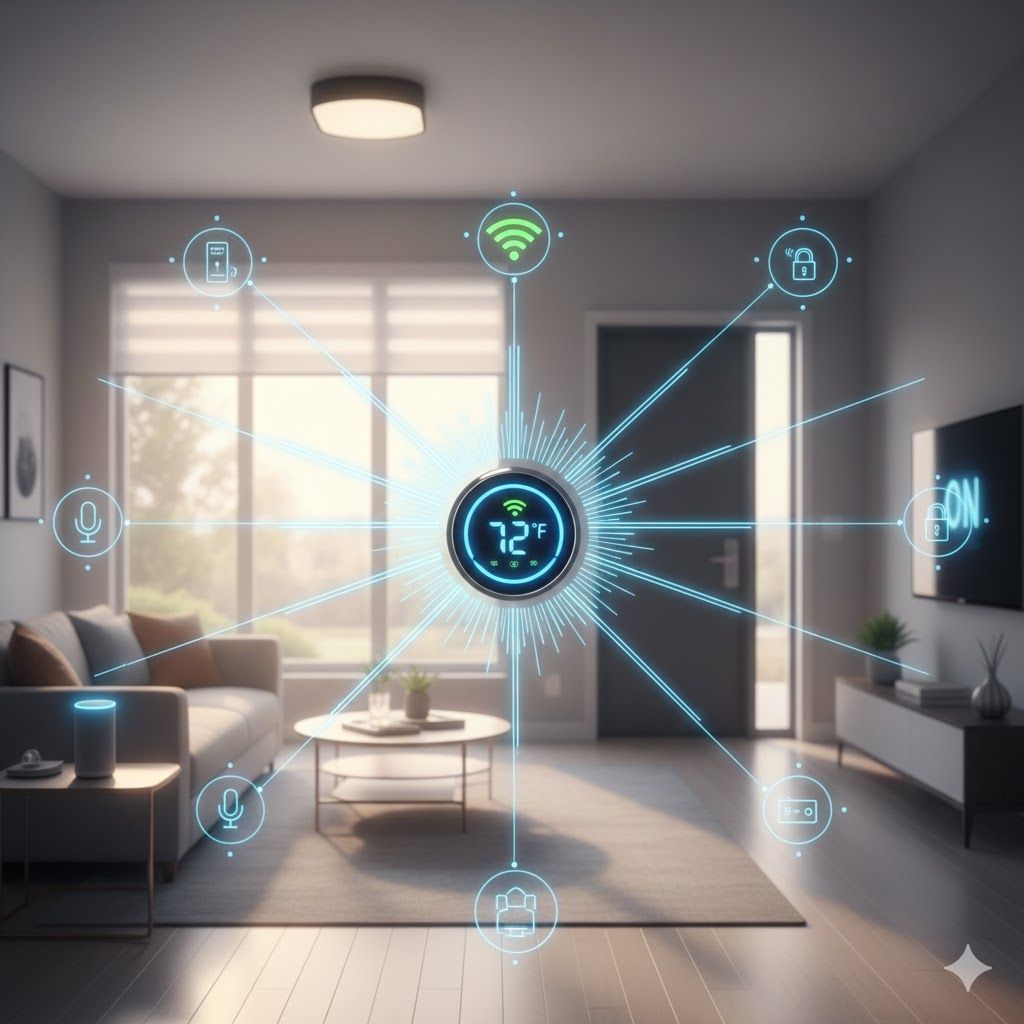
How a Smart Thermostat Helps Home Automation: The Brain of Your Connected Home
In an increasingly connected world, home automation is transforming houses into intelligent living spaces. At the heart of many smart homes lies a device often overlooked for its broader capabilities: the smart thermostat. More than just a tool to control temperature, a smart thermostat acts as a crucial central hub, seamlessly integrating with other smart devices to elevate convenience, energy efficiency, and overall home intelligence.
Beyond Basic Temperature Control: The Smart Thermostat's Role
While its primary function remains climate control, a smart thermostat's true power lies in its ability to learn, adapt, and communicate. Unlike traditional thermostats, these intelligent devices offer:
Remote Access: Control your home's temperature from anywhere in the world via a smartphone app.
Learning Capabilities: They observe your habits and preferences, automatically adjusting schedules for optimal comfort and energy savings.
Energy Reports: Gain insights into your energy consumption, helping you identify areas for improvement.
Geofencing: Some models can detect when you leave or approach home, adjusting the temperature accordingly to save energy when you're out and ensure comfort upon your return.
The Foundation of a Connected Ecosystem: Integration is Key
Where smart thermostats truly shine is their ability to integrate with a wider array of smart home devices and platforms. This interconnectivity transforms your home from a collection of individual gadgets into a cohesive, automated system.
1. Voice Assistants: Your Command Center
One of the most popular integrations is with voice assistants like Amazon Alexa, Google Assistant, and Apple HomeKit. Imagine this:
"Alexa, set the living room temperature to 72 degrees."
"Hey Google, is the upstairs air conditioning on?"
"Siri, turn off the heat."
This hands-free control adds immense convenience, allowing you to manage your climate with simple voice commands, whether you're across the room or across the house.
2. Smart Lighting: Setting the Scene
Connecting your smart thermostat with smart lighting systems opens up a world of automated scenarios.
"Good Morning" Scene: As your thermostat begins to warm your home at 6 AM, your smart lights can gradually brighten, mimicking a sunrise to gently wake you.
"Away" Mode: When your thermostat switches to an energy-saving "away" setting, your lights can automatically turn off, saving electricity.
Presence Detection: Some systems can use occupancy sensors linked to your thermostat to trigger lights on or off based on whether a room is occupied and needs heating/cooling.
3. Smart Locks and Security Systems: Enhanced Peace of Mind
The integration with smart locks and security cameras adds another layer of intelligence and security.
"Leaving Home" Automation: When you lock your smart front door, your thermostat can automatically switch to an "away" mode, adjusting the temperature and potentially even arming your security system.
"Welcome Home" Scenario: As you unlock your door upon return, your thermostat can spring to life, bringing your home to your preferred comfort level, while your lights might come on.
Emergency Integration: In some advanced setups, if a smoke or CO detector (part of a smart security system) goes off, the HVAC system might automatically shut down to prevent the spread of smoke or fumes.
4. Smart Blinds and Shades: Dynamic Climate Control
Imagine your thermostat communicating with your smart blinds.
Solar Heat Gain Management: On a hot, sunny day, your thermostat can signal your smart blinds to close, blocking direct sunlight and reducing the load on your air conditioning.
Winter Warmth: Conversely, on a cold, sunny winter day, blinds can open to allow passive solar heating, helping your thermostat maintain a comfortable temperature with less effort.
5. Smart Plugs and Appliances: Beyond the HVAC
While less direct, smart thermostats can indirectly influence other smart devices via hub routines. For instance, if your thermostat detects you're "away," a routine could be triggered through a central hub to turn off smart plugs connected to entertainment systems or other non-essential appliances.
The Benefits of a Smart Thermostat in Home Automation
The integration capabilities of smart thermostats offer a multitude of advantages:
Optimized Energy Efficiency: By coordinating with other devices and learning your habits, your home can become incredibly efficient, saving you money on utility bills.
Unparalleled Convenience: Automating tasks and controlling your home with voice or a single app simplifies daily life.
Enhanced Comfort: Your home adapts to your presence and preferences, ensuring ideal conditions without constant manual adjustments.
Increased Home Value: Smart home technology is becoming a sought-after feature for modern homeowners.
Remote Management: Maintain control and peace of mind even when you're away from home.
The Future is Connected
A smart thermostat is far more than just a temperature controller; it's an intelligent gateway to a fully automated home. By serving as a central point for climate control and integrating seamlessly with voice assistants, lighting, security, and more, it unlocks a new level of convenience, efficiency, and comfort that truly defines modern living. If you're looking to dive into home automation, a smart thermostat is an excellent place to start building your connected ecosystem.