
Ultimate Guide to Choosing HVAC Systems & Air Quality Solutions
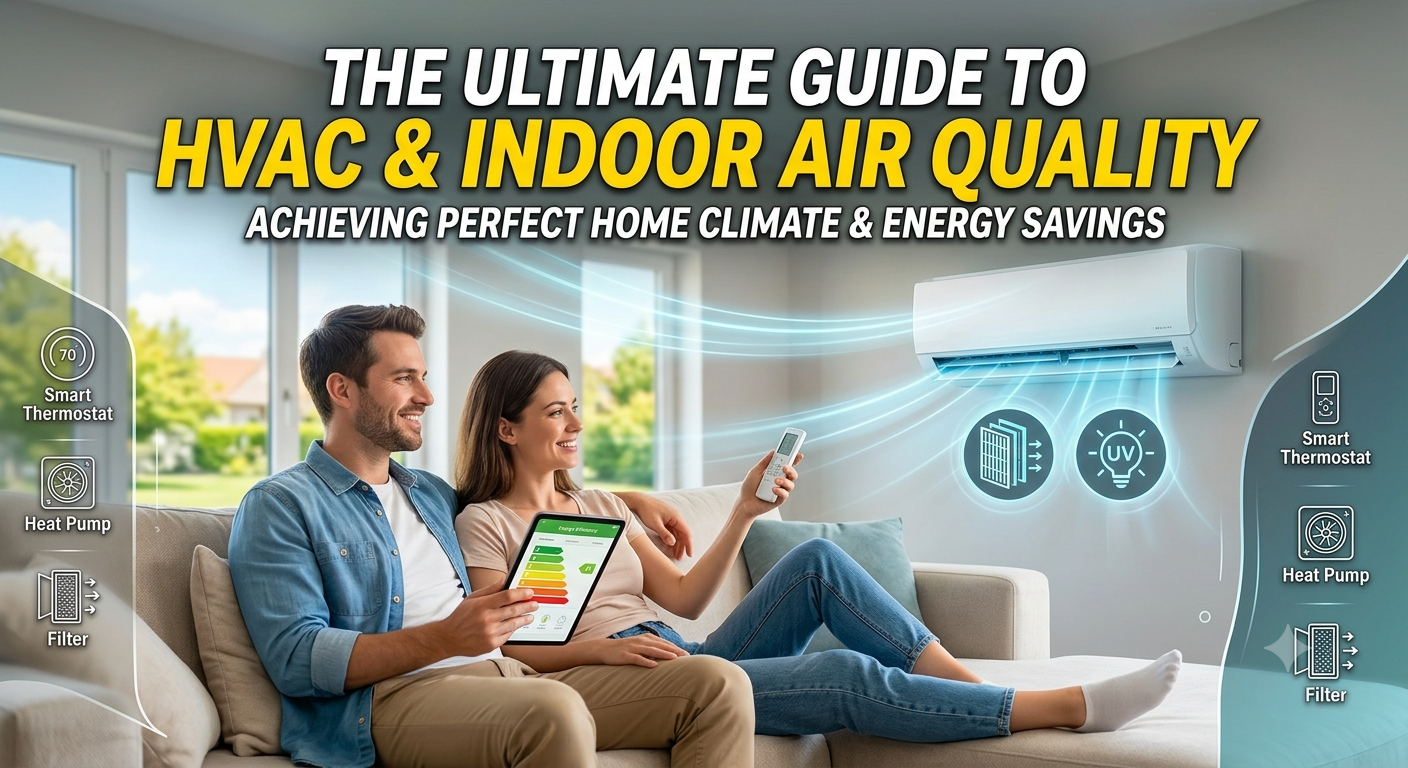
Maintaining a comfortable, healthy, and energy-efficient indoor environment is essential for every homeowner and business owner. In places where scorching summer heat, high humidity, and unexpected cold snaps test your climate control systems, having a dependable heating, ventilation, and air conditioning (HVAC) setup is not a luxury—it is a necessity.
With modern technological advancements, today's air conditioning units, heat pumps, smart thermostats, and indoor air quality devices offer unprecedented control over indoor environments. Choosing the right products for your residential or light commercial property can dramatically improve daily comfort, lower monthly utility costs, and significantly elevate overall indoor air quality.
This comprehensive guide breaks down everything you need to know about selecting, upgrading, and maintaining top-tier climate control and indoor air quality solutions for your property.
Understanding the Foundations of Modern HVAC Products
When evaluating heating and cooling equipment, understanding how system components work together helps you make informed choices. Modern HVAC systems consist of several interconnected units designed to regulate temperature, balance indoor humidity, and purify circulating air.
Central Air Conditioning Systems
Central air conditioning remains the industry gold standard for homes and commercial spaces requiring consistent, high-capacity cooling. A typical central AC system utilizes an outdoor condenser unit paired with an indoor air handler or furnace coil. Refrigerant circulates between these units, absorbing heat from indoor air and venting it outside.
When shopping for central AC units, pay close attention to the Seasonal Energy Efficiency Ratio 2 (SEER2) rating. Higher SEER2 numbers indicate greater operational efficiency, which directly translates into reduced electrical consumption during peak summer months.
Heat Pumps: All-in-One Year-Round Comfort
Heat pumps have surged in popularity as one of the most efficient all-in-one heating and cooling solutions. Unlike standard furnaces that generate heat by burning fuel or using electric resistance coils, heat pumps operate by transferring heat energy.
During hot weather, a heat pump extracts heat from inside your home and dumps it outdoors, functioning exactly like a standard air conditioner. In cooler weather, the reversing valve switches direction, drawing heat energy from the ambient outdoor air and transferring it inside. Converting to an energy-efficient heat pump provides year-round climate management while dramatically cutting energy expenses during mild winter months.
Smart Thermostats and Automated Controls
Even the most advanced air conditioning unit or heat pump cannot perform efficiently without intelligent controls. Smart thermostats have revolutionized residential and commercial energy management. Modern models from leading brands like Ecobee, Nest, and Honeywell offer precise scheduling, mobile app integration, geofencing, and real-time energy usage tracking.
By automatically adjusting temperatures based on your daily routine or presence, a smart thermostat prevents unnecessary cooling or heating when rooms are empty, extending your system's operational lifespan while reducing power bills.
Prioritizing Indoor Air Quality (IAQ)
While temperature regulation receives the most attention, indoor air quality is equally critical to overall health, well-being, and property maintenance. Modern homes are built tightly to maximize energy efficiency, but this airtight seal can trap airborne pollutants, dust, pollen, pet dander, mold spores, and volatile organic compounds (VOCs) inside your living spaces.
Integrating specialized indoor air quality solutions directly into your HVAC ductwork creates a multi-layered defense mechanism against airborne contaminants.
Whole-Home HEPA and High-MERV Filtration
Standard air filters are designed primarily to protect internal HVAC components like blowers and coils from large dust particles. However, high-efficiency particulate air (HEPA) filtration systems and high-MERV (Minimum Efficiency Reporting Value) media filters capture particles as small as 0.3 microns. These high-grade filters trap microscopic allergens, particulate matter, and fine dust, offering relief to individuals suffering from asthma, seasonal allergies, or respiratory sensitivities.
Ultraviolet (UV) Germicidal Lights
Moisture accumulation inside air conditioning evaporator coils creates a breeding ground for mold, mildew, and bacteria. Installing UV germicidal lights inside your HVAC system targets these microscopic organisms directly at the source. UV light technology disrupts the cellular structure of bacteria, virus particles, and fungal spores, rendering them harmless before they can circulate throughout your home.
Dehumidifiers and Humidity Control Systems
In humid climate zones, excess indoor moisture leads to muggy indoor conditions, musty odors, and accelerated mold proliferation. While central air conditioners naturally remove some humidity during cooling cycles, dedicated whole-home dehumidifiers work alongside your system to maintain relative humidity within the ideal 30% to 50% range. Balanced humidity allows your home to feel cooler at higher thermostat settings, further boosting energy savings.
Key Factors to Consider When Selecting HVAC Equipment
Upgrading your home’s climate control system is a major long-term investment. To ensure you choose the best system for your specific property, keep the following core factors in mind:
- Proper Load Calculation and System Sizing: Oversized HVAC systems cycle on and off too quickly, leading to uneven cooling, poor humidity removal, and premature wear. Undersized systems run constantly without reaching your target temperature. Professional HVAC installers perform load calculations taking square footage, ceiling heights, window orientation, insulation quality, and local climate trends into consideration.
- Energy Efficiency Metrics: Look at SEER2 (for cooling capacity), HSPF2 (Heating Seasonal Performance Factor for heat pumps), and AFUE (Annual Fuel Utilization Efficiency for furnaces). Investing in higher-efficiency equipment typically pays for itself through monthly utility savings over the lifespan of the equipment.
- Ductwork Integrity: High-performance equipment cannot function efficiently if connected to leaking or clogged ductwork. Professional pressure testing, duct cleaning, and Aeroseal duct sealing ensure that conditioned air actually reaches your living areas without escaping into basements or attics.
- Manufacturer Warranties and Professional Installation: Always select equipment backed by strong manufacturer component warranties. Ensure installation is performed by certified, licensed, and insured technicians to guarantee safety, warranty validity, and peak system performance.
Maximizing System Performance with Routine Maintenance
Installing top-tier HVAC products is only the first step toward long-term comfort. Comprehensive preventive maintenance plans protect your investment, catch minor mechanical issues early, and keep utility costs low throughout peak summer and winter operational periods.
Routine service tune-ups typically involve cleaning condenser coils, checking refrigerant levels, lubricating moving motor parts, inspecting electrical connections, clearing condensate drain lines, and verifying proper airflow. Consistent maintenance minimizes unexpected breakdowns during extreme weather spikes, extends equipment lifespan by several years, and maintains optimal indoor air quality.
Finding the right balance of cooling power, heating capability, and indoor air purification requires professional guidance and access to high-quality equipment. For property owners seeking reliable, energy-efficient climate control hardware and expert service, browsing the full selection of CWK Air HVAC products ensures you find tailored systems designed to deliver superior year-round performance and lasting comfort.
Elevate Your Indoor Comfort Today
Your indoor climate directly impacts your daily productivity, health, sleep quality, and energy expenses. Whether you need to replace an aging air conditioner, convert to an energy-conserving heat pump system, install a smart thermostat, or add HEPA and UV air filtration, selecting the right equipment transforms how your home or business feels every single day.
Consulting with licensed climate control professionals ensures your property receives tailored recommendations, seamless installation, and dependable ongoing maintenance. Take control of your indoor air quality and temperature management today to enjoy a healthier, cooler, and more energy-efficient property for years to come.