
Why Is Your Pool Freezing? 5 Easy Pool Heater Fixes
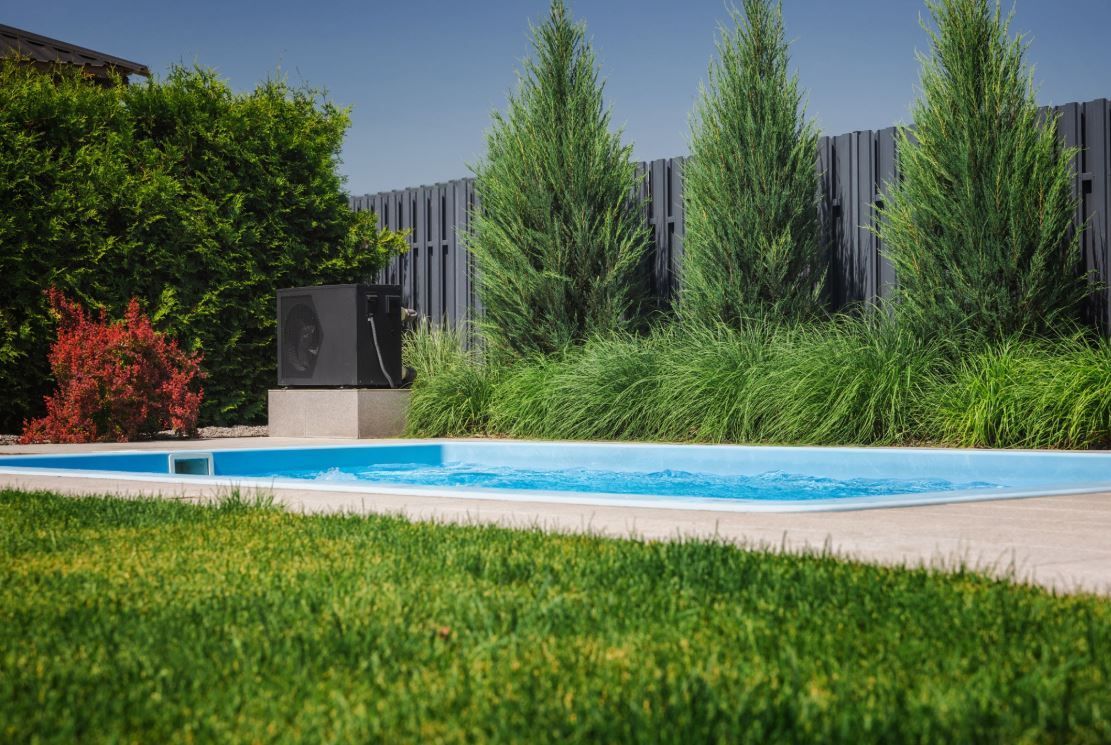
You know the feeling. The sun is shining, the backyard looks like a resort brochure, and you are ready to make a dramatic, graceful plunge into your swimming pool. You take a running leap, hit the water—and your body instantly locks up in absolute shock.
Instead of a relaxing afternoon, you’ve accidentally entered an unannounced polar plunge.
When your pool heater decides to take an unscheduled vacation, your backyard oasis quickly turns into an expensive ornament. It is incredibly frustrating to pay for a pool you cannot even use because the water is too cold. Whether you use your pool for morning laps, family weekend barbecues, or therapeutic relaxation, a broken heater ruins the fun.
Fortunately, a cold pool does not always mean you need a brand-new, expensive heating system. Many pool heater issues are surprisingly simple to diagnose and even fix on your own. Let’s dive deep into why your pool heater might be acting up, how to troubleshoot the issues, and when it is time to bring in the experts.
The Warm Water Equation: Why Pool Heaters Fail
Before we get into troubleshooting, it is helpful to understand how your pool heating system works. Most modern homes utilize either a gas pool heater or a pool heat pump.
While gas heaters burn fuel to generate heat, pool heat pumps work like an air conditioner in reverse. They extract heat from the surrounding air, compress it to increase the temperature, and transfer that warmth directly into your pool water.
Because these systems rely on a delicate balance of water flow, electrical power, and clean air, even a tiny disruption can cause the whole system to shut down. Here are the five most common reasons your pool heater is leaving you out in the cold.
1. The Quiet Killer: Low Water Flow
Your pool heater is smarter than you think. To prevent itself from overheating and literally melting its internal components, every pool heater is equipped with a safety device called a water pressure switch. This switch monitors the strength of the water flowing through the heater. If the water flow drops below a certain level, the heater automatically shuts off.
If your heater is turning on but shutting down after only a few minutes—or refuses to turn on at all—low water flow is almost always the prime suspect.
How to Fix It:
- Empty the Baskets: Check both your skimmer basket and the pump strainer basket. If they are packed with leaves, pine needles, or toys, they will choke the water flow. Clean them out completely.
- Clean or Backwash Your Filter: A dirty, clogged pool filter creates massive resistance. Check your filter's pressure gauge. If the pressure is 8 to 10 PSI higher than its clean baseline, it is time to backwash your sand or D.E. filter, or thoroughly spray down your cartridge filter.
- Check Your Valves: Ensure all your plumbing valves are fully open. If a valve is partially closed, it restricts the volume of water reaching the heater.
2. Thermostat Confusion and Sensor Glitches
Sometimes, your pool heater is physically capable of warming the water, but its brain is confused. Modern digital heaters rely on a network of sensors, primarily a temperature sensor or thermistor, to gauge how warm the water actually is.
If this sensor becomes loose, coated in scale (calcium buildup), or chewed on by a backyard rodent, it will send incorrect temperature readings to the control board. For example, the sensor might tell the heater that the water is a scorching 104°F when it is actually a shivering 68°F, causing the heater to refuse to ignite.
How to Fix It:
- Verify the Settings: It sounds simple, but double-check that your thermostat is set to "Heat" or "Pool" and that the target temperature is set higher than the current water temperature.
- Inspect the Display: If you see an error code on the screen (such as "LO" or "SEN"), consult your manufacturer's manual. These codes specifically point to sensor failures.
- Inspect the Sensor Wire: Turn off the power at the circuit breaker, open the heater door, and inspect the thin wires running to the temperature sensor. If they look frayed, disconnected, or damaged, the sensor needs to be replaced.
3. The Power Play: Tripped Breakers and Blown Fuses
Pool heat pumps require a significant amount of electricity to power their compressors and fan motors. If there is a sudden electrical surge—common during summer storms—the circuit breaker in your main electrical panel may trip to protect your home.
Similarly, gas heaters utilize a smaller amount of electricity to power their control boards and ignition systems. If there is no power flowing to the unit, the display screen will remain completely blank, and nothing will happen when you try to turn it on.
How to Fix It:
- Check the Main Panel: Locate your home’s main electrical panel and look for the breaker labeled "Pool" or "Pool Heater." Even if it does not look tripped, flip it completely to the "Off" position and then firmly back to "On."
- Inspect the Sub-Panel: Many pool setups have a smaller electrical sub-panel located outdoors near the pool equipment. Check the breakers or fuses inside this box as well.
- Look for a GFCI Outlet: If your heater is plugged into an outdoor outlet, check if the GFCI test/reset button has popped out. Press the "Reset" button firmly.
4. Airflow Blockages (For Heat Pumps Only)
Because pool heat pumps extract heat directly from the ambient air, they require an enormous, unobstructed supply of air to function efficiently. If your heat pump is crowded by overgrown bushes, tucked under a low-hanging deck, or covered in fallen leaves, it won't be able to draw in enough air.
When airflow is restricted, the heat pump has to work twice as hard to extract warmth, which drastically lowers its efficiency and can trigger an automatic shutdown due to high refrigerant pressure.
How to Fix It:
- Maintain a Clearance Zone: Keep a minimum clearance of 2 to 3 feet of open space around all sides of your heat pump.
- Clear the Top: Ensure there is at least 5 feet of completely open space above the top of the heat pump. The fan blows cold air upward; if there is a ceiling or overhang, that freezing air will bounce back down and get sucked right back into the unit.
- Clean the Coils: Gently spray down the outer metal grilles and condenser coils with a standard garden hose to wash away accumulated dirt, pollen, and lawn clippings. Never use a high-pressure power washer, as this will bend the delicate aluminum fins.
5. Gas Supply and Pilot Light Issues (For Gas Heaters Only)
If you own a gas pool heater, it cannot create a flame without a steady, pressurized flow of fuel (either natural gas or propane). If you are running low on propane, or if the main gas valve was accidentally bumped shut during yard maintenance, your heater will fail to ignite.
Additionally, older gas heaters use a standing pilot light that can easily be blown out by strong winds, while newer models use electronic igniters that can wear down over time.
How to Fix It:
- Check the Fuel Level: If you use liquid propane, check the gauge on your tank to ensure you aren't running on empty.
- Verify Gas Valves are Open: Ensure the gas valve on the supply line, as well as the internal gas valve inside the heater cabinet, are both turned to the "Open" or "On" position.
- Listen for the Spark: When you turn the heater on, stand near it and listen closely. You should hear a clicking sound (the igniter trying to spark) followed by a soft "whoosh" of gas igniting. If you hear clicking but no ignition, the gas is not reaching the burner.
Why Professional Maintenance Saves You Thousands
While cleaning your filter baskets and clearing away overgrown brush are easy weekend DIY tasks, pool heaters are complex machines. They combine high-voltage electricity, highly pressurized water, refrigerant gases, and in many cases, flammable gas lines.
Attempting to perform advanced repairs on your own is not only dangerous, but it can also void your manufacturer's warranty.
Annual professional maintenance is the single best way to protect your investment. A certified technician can catch tiny issues—like a worn capacitor, a slight refrigerant leak, or early electrical corrosion—before they turn into catastrophic, expensive failures. Plus, a clean, finely tuned heater operates much more efficiently, which keeps your monthly utility bills as low as possible.
If you are tired of shivering or dealing with lukewarm water, it is time to schedule reliable pool heater services with local professionals who can restore your oasis instantly.
Don't let a faulty heater steal your swimming season. By taking a few minutes to check your water flow, clean your filters, and keep your equipment clear of debris, you can keep your pool perfectly warm, cozy, and inviting all year long!