
Smart Thermostat Home Automation: Save Energy & Up Comfort
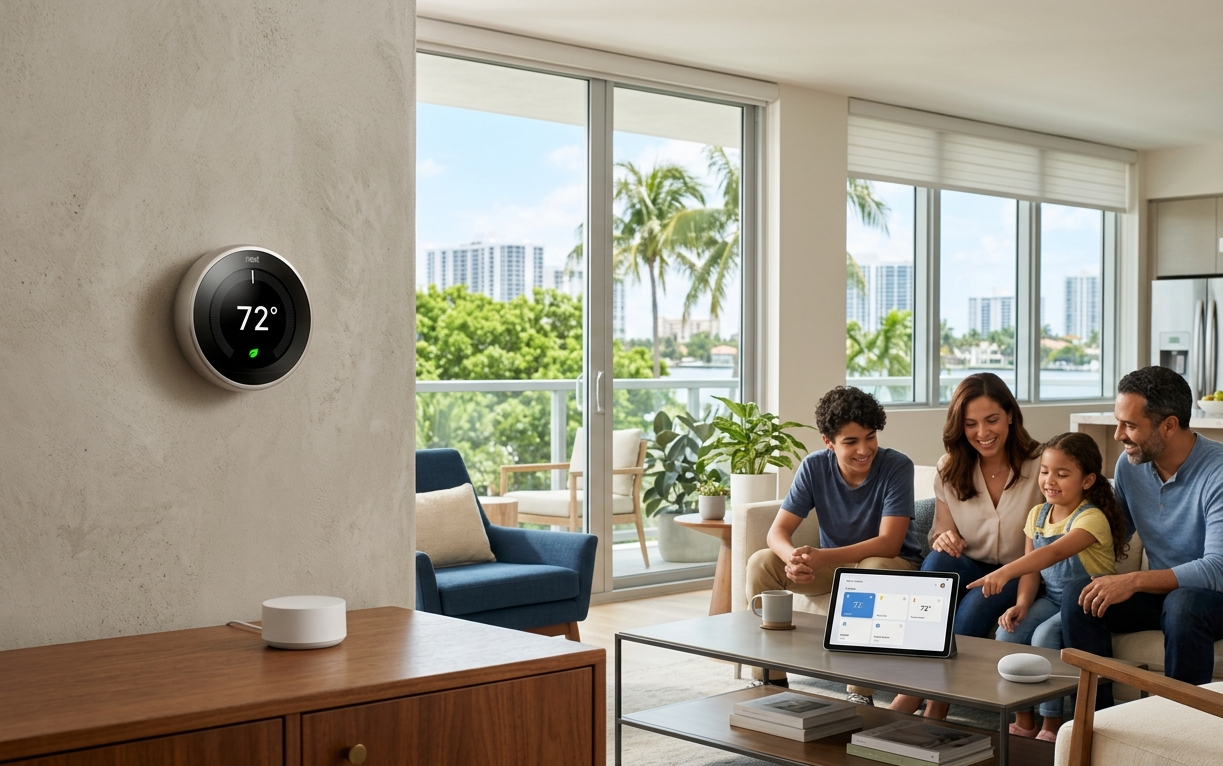
In the era of modern technology, our living spaces are rapidly changing. No longer are houses merely structural shelters; they have evolved into interconnected ecosystems designed to cater to our specific habits, comforts, and lifestyles. At the center of this revolution is smart thermostat home automation.
For homeowners looking to maximize comfort while minimizing utility bills, transitioning from a traditional, static thermostat to an automated climate control system is one of the smartest upgrades available. This comprehensive guide explores how integrating a smart thermostat into your home automation ecosystem transforms your daily life, reduces your carbon footprint, and optimizes your indoor environment.
Understanding Smart Thermostat Home Automation
To fully grasp the benefits, it is essential to look at how home climate control has evolved. For decades, traditional manual thermostats required physical adjustments every time you felt too hot or too cold. Programmable thermostats offered a slight improvement by allowing users to set schedules based on time blocks. However, they lacked flexibility; if your schedule shifted unexpectedly, a programmable thermostat would blindly run the air conditioner or furnace in an empty house.
Smart thermostat home automation bridges this gap using advanced computing, machine learning, and Internet of Things (IoT) connectivity. These systems go beyond simple scheduling by analyzing patterns, adapting to real-time environment changes, and communicating with other smart devices throughout your home.
The Role of Machine Learning and Geofencing
A truly automated smart thermostat does not rely solely on your manual programming. Instead, it features intuitive learning algorithms. During your first few weeks of ownership, the device logs when you wake up, when you leave for work, and what temperatures you prefer during various times of day.
Additionally, by utilizing geofencing technology connected to your smartphone’s GPS, your climate control system knows exactly when you leave a designated radius around your house. When you depart, the system automatically enters an energy-saving "away" mode. As you cross that boundary on your commute home, the thermostat communicates with your HVAC system to pre-cool or pre-heat your living spaces, ensuring optimal comfort the moment you walk through the door.
Key Benefits of Integrating a Smart Thermostat into Your Home Automation Ecosystem
Integrating smart climate control into a broader home automation network yields measurable improvements in energy conservation, physical comfort, and system transparency.
1. Substantial Energy and Cost Savings
The most immediate incentive for upgrading to smart thermostat home automation is the financial return on investment. Standard heating and cooling account for over 50% of the average household's energy consumption. Traditional systems waste an immense amount of electricity by regulating temperatures when nobody is home.
Smart systems optimize every minute of runtime. By adjusting temperatures by just a few degrees when the home is unoccupied, these devices dramatically slice monthly utility costs. Many homeowners find that their smart thermostat pays for itself within the first year of operation.
2. Unrivaled Convenience and Remote Access
Imagine lying in bed or sitting on the couch and adjusting your home's temperature without moving an inch. Through dedicated smartphone apps or seamless voice integration with platforms like Amazon Alexa, Google Assistant, or Apple HomeKit, controlling your indoor environment is completely effortless. Furthermore, if you travel frequently, you can monitor and manage your home's temperature from anywhere in the world, ensuring you never return to a freezing or sweltering environment.
3. Precision Zoned Comfort
One of the greatest limitations of traditional HVAC setups is the reliance on a single thermostat located in a central hallway. This setup often results in uneven heating or cooling—such as a freezing downstairs living room and an uncomfortably warm upstairs bedroom.
Modern smart thermostats mitigate this issue by pairing with wireless remote room sensors. These sensors monitor both temperature and occupancy in individual rooms. If the system detects that you are spending your evening in the home office, it shifts its operational priority to ensure that specific room maintains the perfect climate, bypassing unoccupied spaces.
How Smart Thermostats Sync with Other Home Automation Devices
A smart thermostat is powerful on its own, but it reaches its full potential when linked into a comprehensive smart home ecosystem. When your household electronics communicate with each other, your home operates like a well-oiled machine.
Smart Blinds and Window Treatments
During intense summer days, solar heat gain through large glass windows can drastically spike indoor temperatures, forcing your air conditioning unit to work double-time. When integrated into a home automation hub, your smart thermostat can communicate with automated motorized blinds. If the thermostat notices ambient temperatures rising alongside outdoor sunlight metrics, it can command the blinds to close automatically, blocking out solar heat and preserving cool indoor air naturally.
Lighting and Occupancy Sensors
Smart lighting networks and security systems often utilize motion and occupancy sensors. By linking these to your automated thermostat, your climate control infrastructure gains a highly accurate understanding of which rooms are being actively used. When a room stays dark and vacant for an extended period, the automated system stops prioritizing its climate control, preserving energy for the areas you are actively occupying.
Smart Lock Integration
The moment you lock your front door from the outside or arm your smart security system, a signal can be sent directly to your smart thermostat. This immediate prompt signals to the HVAC unit that the house is empty, prompting it to immediately switch to eco-mode without waiting for geofencing or scheduled routines to kick in.
Advanced Features to Look For
If you are shopping for a new smart thermostat to integrate into your home automation setup, keep an eye out for these advanced capabilities:
- HVAC Diagnostics and Reminders: The best automated thermostats keep a watchful eye on the health of your physical equipment. They send automated push notifications to your phone when air filters need replacing or when unusual system cycles point to a potential mechanical malfunction.
- Humidity Control: True comfort depends on more than just temperature; humidity levels play a massive role. Advanced smart devices can monitor indoor humidity and modulate compatible variable-speed air conditioners or whole-home dehumidifiers to maintain crisp, healthy indoor air quality.
- Time-of-Use Rate Optimization: In regions where utility providers charge varying electricity rates based on the time of day, smart thermostats can automatically pre-cool or pre-heat your home during lower-cost "off-peak" hours, scaling back usage when electricity rates peak.
Professional Installation vs. DIY
While many tech-savvy homeowners attempt a do-it-yourself approach to smart thermostat installation, working with experienced professionals remains highly recommended. Modern HVAC hardware is sophisticated, and incorrect wiring can easily short-circuit sensitive control boards or cause your system to short-cycle, leading to premature equipment failure.
A professional HVAC technician ensures that the critical "C-wire" (common wire) is securely integrated to provide continuous power to your smart device. Furthermore, certified professionals can precisely calibrate remote sensors, perform system load checks, and ensure flawless compatibility with your existing smart home protocols.
Experience the Future of Home Comfort Today
Embracing automated climate control is an investment in your comfort, your wallet, and your peace of mind. By allowing your home's heating and cooling systems to dynamically adapt to your lifestyle, you unlock a streamlined living experience that old-school dials simply cannot match. If you are ready to revolutionize your home's climate efficiency and integrate cutting-edge control into your daily routine, explore professional smart thermostat home automation services tailored to your household's unique layout and needs. Taking control of your energy footprint has never been easier.