
Ultimate Guide to Spring Hill HVAC Repair & Maintenance
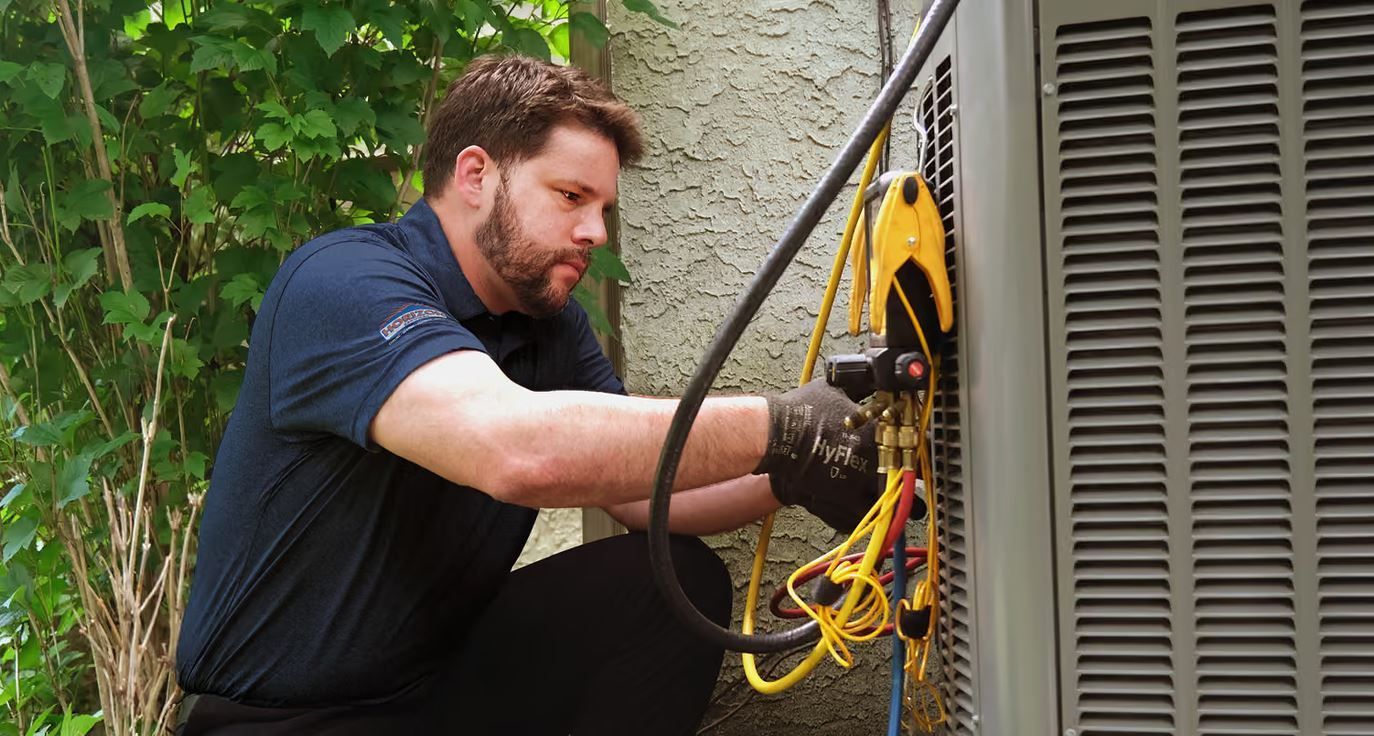
Living in Central Florida means relying heavily on your heating, ventilation, and air conditioning system to stay comfortable throughout the entire year. High temperatures, oppressive humidity, and seasonal storm activity put immense stress on residential cooling and heating equipment. When an AC unit breaks down in the middle of a hot summer afternoon, it creates an immediate discomfort and potential health hazard for your family.
Understanding how your climate control system works, recognizing early warning signs of equipment distress, and knowing how to troubleshoot simple issues can save you hundreds of dollars in unnecessary service calls. This detailed guide covers everything homeowners need to know about system maintenance, troubleshooting, and securing professional Spring Hill HVAC repair when major problems arise.
Understanding Your Home’s HVAC System
Your home’s HVAC network is a complex closed-loop system designed to manage indoor temperature, humidity levels, and air quality. It typically consists of an outdoor condenser unit, an indoor air handler, refrigeration lines, an evaporator coil, a blower motor, and a network of ductwork distributing air across every room.
In Florida's humid sub-tropical climate, air conditioning systems do double duty. They don't just cool the ambient air temperature; they actively pull moisture out of the air. When indoor relative humidity drops below 55%, your home feels significantly cooler even at higher thermostat setpoints, reducing energy consumption and inhibiting mold growth.
Common HVAC Issues in Central Florida
Because systems run almost continuously for eight to nine months out of the year, components experience accelerated wear and tear. Recognizing common breakdown causes helps you take quick preventative action.
1. Clogged Condensate Drain Lines
High humidity forces your evaporator coil to collect gallons of water every day. This condensation drains out through a small PVC pipe. Over time, algae, dirt, and biological sludge build up inside the pipe, causing water to back up. If your drain line clogs, the float switch will trigger, shutting off the entire system to prevent water overflow and ceiling damage.
2. Dirty Evaporator and Condenser Coils
Dust, pet dander, pollen, and outdoor debris coat the delicate aluminum fins on indoor evaporator coils and outdoor condenser coils. When coils get dirty, they cannot efficiently exchange heat. This forces the compressor to run longer, spiking your monthly electricity bill and potentially causing the indoor coils to freeze solid into a block of ice.
3. Failed Capacitors and Relays
Capacitors act like small batteries that give your system's motors and compressor the heavy electrical boost required to start up. High temperatures break down internal electrical components quickly. A failing capacitor often causes a distinct humming sound from the outdoor unit while the fan fails to spin.
4. Refrigerant Leaks
Air conditioners do not "use up" refrigerant over time like gasoline in a vehicle. Refrigerant operates in a sealed loop. If your system runs low on refrigerant, it means there is a physical leak somewhere in the copper lines or coil solder joints. Running a system low on refrigerant will eventually destroy the expensive main compressor.
Step-by-Step DIY Troubleshooting Guide
Before reaching out for professional technical assistance, performing basic DIY troubleshooting can often resolve simple glitches and restore airflow.
- Check the Thermostat Batteries and Settings: Verify that your thermostat display is active and set to "Cool" (or "Heat" during cold snaps) with the fan set to "Auto." Replace dead batteries if the screen is blank or flashing warnings.
- Inspect the Air Filter: A heavily clogged, dusty air filter chokes airflow across the indoor coil. This causes the system to short-cycle, freeze up, or blow lukewarm air. Replace single-use fiberglass or pleated filters every 30 to 60 days.
- Inspect Circuit Breakers: Go to your home’s main electrical panel and check the dual-pole breaker dedicated to the AC compressor and indoor air handler. If a breaker has tripped to the middle position, flip it completely off before resetting it back to the "On" position once.
- Clear the Condensate Line: Locate the PVC T-pipe cleanout port near your indoor unit. Pour half a cup of plain warm water or distilled white vinegar down the access pipe to break down minor algae build-up.
- Inspect the Outdoor Unit: Clear away weeds, grass clippings, leaves, and patio clutter surrounding your outdoor condenser. Ensure the unit has at least 24 inches of clear clearance on all sides for proper airflow.
When to Call a Professional Technician
While basic filter changes and clearing debris are easy DIY tasks, complex electrical and mechanical issues require certified technicians. Attempting to service high-voltage connections or handling chemical refrigerants without proper licenses can be dangerous and voids manufacturer equipment warranties.
You should contact a licensed HVAC company immediately if you notice:
- Continuous burning smells or metallic electrical odors coming from supply vents.
- Loud screeching, grinding, or loud banging noises inside the air handler or compressor.
- Ice buildup along the copper refrigerant lines or across the indoor coil casing.
- Rapid short-cycling where the system turns on and off every two to three minutes.
- Sudden, unexplained spikes in your monthly power bills without changes in usage habits.
Choosing an experienced local contractor ensures that your equipment receives accurate diagnostic tests, genuine replacement parts, and code-compliant installations. When seeking long-term system efficiency and dependable cooling year-round, partnering with a certified local provider for Spring Hill HVAC repair gives you peace of mind that your home comfort is protected by qualified experts.
Essential Preventative Maintenance Checklist
Regular maintenance extends your system’s operational lifespan from 8–10 years up to 12–15 years while keeping operating costs as low as possible. Schedule professional tune-ups twice a year—once in early spring before intense heat sets in, and once in late autumn.
- Change indoor air filters monthly during peak summer months.
- Keep outdoor condenser fins free from dirt, grass, and yard debris.
- Flush indoor condensate drain lines with white vinegar monthly.
- Keep all interior supply vents and return grilles open and unobstructed by furniture or drapes.
- Schedule bi-annual professional inspections to verify refrigerant levels, test electrical capacitors, clean coils, and calibrate your thermostat.
Taking a proactive approach to home climate care keeps your cooling system running smoothly, maintains healthy indoor air quality, and prevents sudden mechanical breakdowns when you need cooling the most.